
The ubiquitous hydrangea, with its voluminous blooms and captivating color shifts, presents a perennial challenge and delight for artists. While seemingly straightforward, the act of hydrangea painting involves a complex interplay of observation, technique, and an understanding of light and form. It’s more than just replicating a pretty flower; it’s about capturing its ephemeral beauty, its subtle textural nuances, and the very essence of its presence. For many, the initial fascination with hydrangeas in bloom translates into a desire to capture that visual splendor on canvas or paper, leading them down a path that is both rewarding and, at times, surprisingly intricate.
Understanding the Hydrangea’s Palette: Beyond the Obvious Blue
One of the most striking features of hydrangeas is their ability to change color, a phenomenon often misunderstood. This chromatic variation isn’t just a visual quirk; it’s a crucial element that informs how we approach hydrangea painting. The soil’s pH level directly influences the pigments in the petals, leading to a spectrum from deep blues and purples to vibrant pinks and even greens. As an artist, appreciating this variability is paramount. It means that a single reference photo might only capture a snapshot of a hydrangea’s potential, and true artistic interpretation often involves drawing from a broader understanding of its color range.
When I first started focusing on floral subjects, I found that relying solely on one reference for a hydrangea’s color could be limiting. I learned to look at multiple specimens, observing how the light hit them at different times of day, and how their colors shifted even within a single cluster of florets. This deep dive into their chromatic behavior is what elevates hydrangea painting from mere depiction to genuine artistic expression.
Mastering the Forms: Capturing Volume and Texture
Hydrangea blooms are not simple, uniform spheres. They are intricate clusters of smaller, individual flowers, often with delicate, ruffled petals. Capturing this complex structure requires a keen eye for both form and texture. In hydrangea painting, artists often grapple with how to depict the overall mass of the bloom while also rendering the individual elements that compose it.
Building Volume: Instead of painting a solid mass, consider building the bloom from smaller shapes. Think about the overlapping nature of the florets and how they create depth and shadow.
Textural Nuances: Hydrangea petals can range from smooth and waxy to slightly crinkled. Using varied brushstrokes and layering techniques can effectively convey these subtle textural differences.
Edge Control: The edges of hydrangea blooms are rarely sharp. They soften and blur into the surrounding space, and paying attention to this soft transition is key to a realistic portrayal.
I’ve often found that the most successful hydrangea paintings acknowledge the slight imperfections and variations in each floret. Overly perfect, uniform petals can make the bloom feel artificial, whereas a touch of irregularity lends it a lifelike quality.
Light and Shadow: The Sculpting Force in Hydrangea Painting
Light is perhaps the most critical element in any representational painting, and it plays a particularly dynamic role in hydrangea painting. The way light falls on the voluminous forms of a hydrangea cluster dictates its shape, its color saturation, and the depth of its shadows. Understanding how to translate these effects is where true mastery lies.
When approaching a hydrangea painting, consider:
Highlight Placement: Identify the brightest points where light directly strikes the petals. These highlights are crucial for defining the form and giving the bloom a luminous quality.
Shadow Depth: Shadows on hydrangeas are rarely flat. They are often rich with color, reflecting the surrounding environment and the nearby petals. Exploring the subtle shifts in hue within the shadows adds a remarkable sense of realism.
Core Shadow and Reflected Light: The deepest part of a shadow is the core shadow. Nearby surfaces can bounce light back into these areas, creating subtle reflected light that prevents the shadow from becoming a complete void. This is an advanced technique, but crucial for achieving that “roundness” in the bloom.
It’s interesting to note that the cool tones often found in hydrangeas can make rendering light and shadow particularly challenging. The temptation is to use pure white for highlights and black for shadows, but this often leads to a muddy or flat appearance. Instead, think about using warmer tones in the highlights and cooler, more chromatic tones in the shadows to create a vibrant and believable effect.
Beyond Realism: Exploring Impressionistic and Abstract Hydrangea Interpretations
While many artists strive for photorealism when depicting hydrangeas, the flower’s inherent beauty also lends itself exceptionally well to more impressionistic and abstract interpretations. This opens up exciting avenues for personal artistic exploration within hydrangea painting.
Impressionistic approaches might focus on:
Capturing the Mood: Instead of precise detail, the goal is to evoke the feeling of a hydrangea bloom bathed in sunlight or veiled in mist.
Loose Brushwork: Employing visible brushstrokes and a more generalized depiction of form can create a sense of movement and spontaneity.
Color Harmony: Prioritizing the overall color relationships and atmospheric effect over exact color matching.
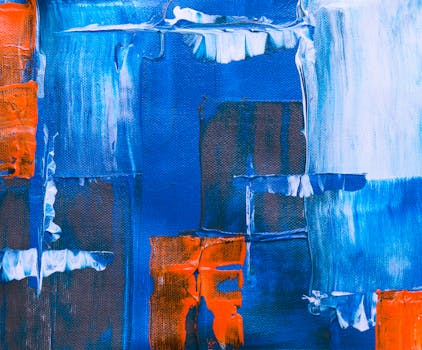
Abstract hydrangea painting takes this even further, distilling the essence of the flower into fundamental shapes, colors, and textures. Here, the artist might explore:
Expressive Color Palettes: Using colors not found in nature to convey emotion or energy.
Geometric or Organic Abstraction: Reducing the bloom to its core geometric or organic shapes.
Focus on Texture and Pattern: Emphasizing the tactile qualities of the paint and the visual rhythms within the bloom.
My own work often navigates this spectrum. While I appreciate the discipline of realism, I find immense freedom in letting the color and form of the hydrangea guide me towards more expressive, less literal interpretations. It’s about understanding the subject deeply enough to know where you can depart from it creatively.
The Ever-Evolving Canvas: Tips for Continuous Improvement in Hydrangea Painting
The journey of hydrangea painting is one of continuous learning and refinement. Even seasoned artists encounter new challenges and discover fresh perspectives. To foster ongoing growth in this artistic pursuit, consider these tips:
Regular Practice: Dedicate consistent time to painting hydrangeas, even if it’s just quick sketches or color studies.
Seek Diverse References: Don’t limit yourself to one type of hydrangea or one lighting condition. Explore different varieties, stages of bloom, and environmental settings.
Experiment with Mediums and Techniques: Try oil, acrylic, watercolor, or pastels. Each medium offers unique possibilities for rendering hydrangea textures and colors.
Study Other Artists: Analyze how established artists have tackled similar subjects. What can you learn from their approaches to color, composition, and brushwork?
Embrace Mistakes as Learning Opportunities: Every perceived “failure” is a chance to understand what didn’t work and why. This is how true artistic growth occurs.
Wrapping Up: The Enduring Allure of the Painted Hydrangea
Ultimately, hydrangea painting* is a testament to the enduring allure of nature’s artistry. It challenges us to look closer, to understand the subtleties of color and form, and to translate fleeting moments of beauty into something tangible and lasting. Whether you are drawn to hyperrealism or abstract expression, the hydrangea offers a rich and rewarding subject for exploration. Don’t shy away from its complexities; instead, embrace them as opportunities to deepen your artistic skill and connect with the vibrant world of floral art. The canvas awaits your unique vision of these magnificent blooms.